
Custom WordPress and WooCommerce development
A theme is the starting point, not the delivery. I don’t assemble sites from a stack of plugins and hope for the best. I design the structure, write the code the business actually needs and keep the site running after delivery. When a theme or plugin solves the problem, I use it. When it doesn’t, I build it.
New sites, WooCommerce stores, custom features and rescue work on unfinished projects.
A professional website isn’t defined by its theme.
It’s defined by whether it answers three questions: what the business does, who it’s for, and what the visitor should do next.
The problem starts when the business needs something the theme can’t do:
• an application, review or voting flow that no plugin provides;
• a store with its own pricing, shipping, subscription or invoicing rules;
• data that must leave the site and reach another tool without manual work;
• a site that is slow, insecure or impossible to maintain because it grew by accumulation;
• a project handed over halfway, undocumented, with nobody willing to touch it.
That’s where custom development comes in.
Custom development, with code where it’s needed.
I only write code when the problem calls for it. If a well-configured theme or plugin solves it, that’s the cheaper and correct decision.
Consolidated, well-configured themes
A consolidated base — Hello Elementor with Elementor Pro or a reputable theme — with templates and components designed around the content and business goals. A theme built from scratch only when the requirement can’t be solved otherwise.
Custom plugins and features
Application, moderation, review and voting flows, restricted areas and forms with custom rules. Custom tables when the data is critical.
Custom WooCommerce
Products and variations, shipping and payment, tailored checkout, transactional emails, subscriptions, invoices and integration with external systems.
Integrations and APIs
Connections to CRM, invoicing, email, spreadsheets and custom APIs, with authentication, logging and error handling.
Performance, security and technical foundations
Database and query optimisation, caching, images and server configuration. Vulnerabilities fixed, controlled updates and tested backups.
Maintenance and growth
After delivery, the site still needs attention. See WordPress maintenance and servers and infrastructure.
When it makes sense
The business has a process that no plugin supports.
The store has pricing, shipping or invoicing rules that standard modules can’t handle.
The current site must talk to other systems.
Plugins have already been tried and the result is heavy, slow or unmaintainable.
A project was delivered halfway and needs someone to take it over.
The site is a business asset, not a checkbox.
When it doesn’t
It’s a simple brochure site with a few pages and no specific requirements. A well-configured theme is the right and cheaper decision.
You only need text and image changes: that’s maintenance, not development.
The goal is just “to have a website”. A site without a defined purpose doesn’t improve with more code.
WordPress sites and stores I’ve built.
Examples of WordPress sites and stores, across e-commerce, services, tourism, healthcare, real estate and technical companies.

Maiapet
WooCommerce store for pet products.
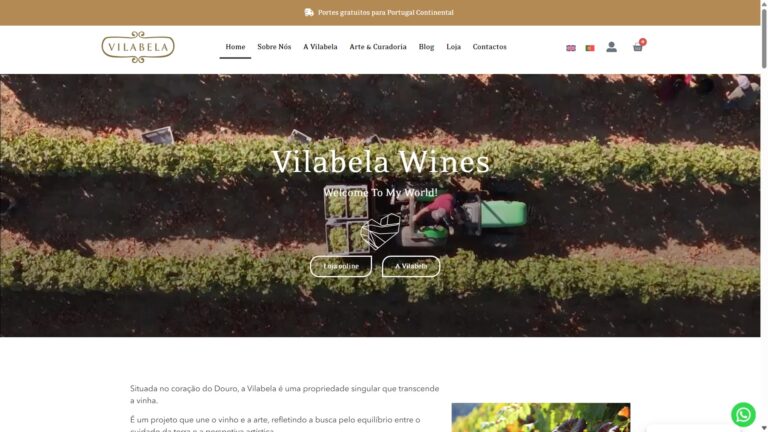
Vilabela Wines
Corporate site for a Douro wine producer.
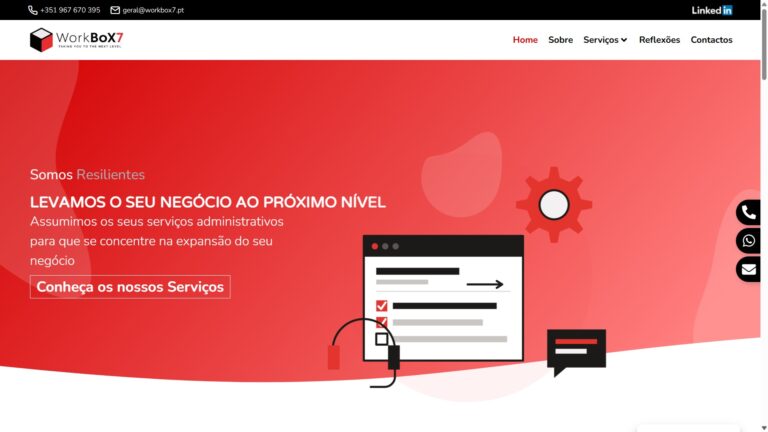
WorkBox7
Corporate site for administrative services.
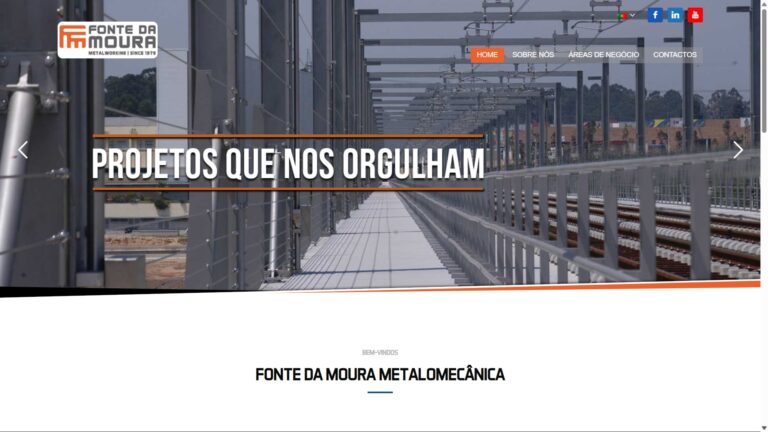
Fonte de Moura
Corporate site for a metalworking company.
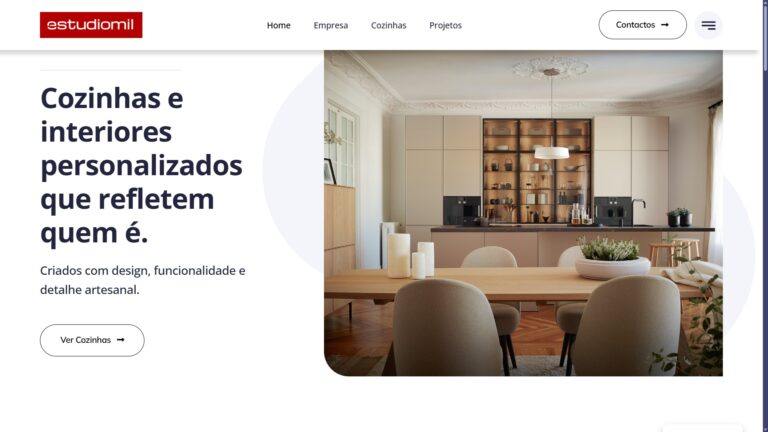
Estudiomil
Site for a kitchen and interiors studio.
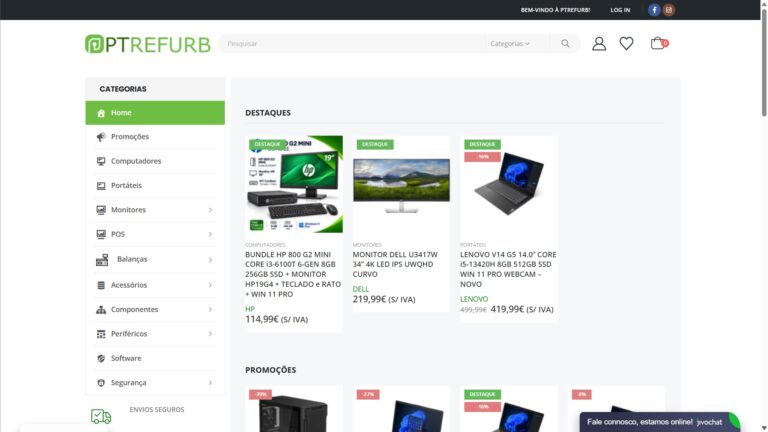
PT Refurb
WooCommerce store for IT equipment.
Every project is different. Design, features and integrations are defined by each company’s business, content and goals.
Case: applications, judging and public voting
Problem: run an annual process with public nominations, moderation, jury review, finalist selection, public voting and winner publication — with critical data, integrity requirements and an audit trail.
Solution: a custom plugin on WordPress, with dedicated tables for the critical data and the full flow implemented in code. The page builder was used only for layout and editorial content. The result includes a winners gallery and an audit log.
Why it matters: no form or voting plugin covered the whole process with the required rules and auditability. The missing part had to be written.
A clear process, no surprises.
Assessment
I understand the business, the audience, the goals and what already exists. If the site exists, I review its technical state before proposing changes.
Scope and proposal
I define what’s included, what’s excluded, timelines and costs. No “budget to be confirmed” after work starts.
Structure
Pages, navigation, content, data and integrations. This is where we decide what belongs in a theme, a plugin or custom code.
Development
Built in stages, with a test environment and validation before production.
Delivery and follow-up
Documentation, dashboard training and, where it makes sense, ongoing maintenance.
Frequently asked questions
Got a requirement no plugin can solve?
Describe the situation. I’ll review the context, tell you what makes sense to build and what doesn’t — and give you a concrete next step.
Do you actually write code or use builders?
Both, where each makes sense. I use builders for layout and editorial content. When the requirement is business logic, critical data or integrations, I write code — PHP, JavaScript, CSS and SQL.
Do you build custom plugins?
Yes, when the requirement doesn’t fit an existing plugin. That includes custom tables, business flows, permissions and audit trails.
Do you work with existing WooCommerce stores?
Yes. I take over maintenance and growth of stores built by someone else, after reviewing the current state, plugins and risks.
Will the site depend on you?
It shouldn’t. The code is documented, the dashboard is prepared for the team to manage content, and maintenance is optional. Healthy dependency is on someone who knows the system, not someone holding the keys.
What if the project is already halfway?
I review what exists, what’s documented and what’s missing. I only take it on once I know the real state and the recovery effort.
How much does it cost?
It depends on scope. After the assessment I present a proposal with what’s included, timelines and costs. I don’t start without that defined.
Do you do SEO?
I include the technical foundation: structure, titles, performance, indexing and best practices. Search results also depend on content and ongoing maintenance.
Do you work with hosting and domains?
Yes. I can keep your current provider or take over hosting, DNS, SSL and email management. See servers and infrastructure.
Will you build a theme from scratch?
Not by default. The wheel is already invented: I use a consolidated base (Hello Elementor with Elementor Pro or a reputable theme) and build the templates, components and code the project requires. A custom theme only when the requirement can’t be solved otherwise — it’s more expensive and harder to maintain.